
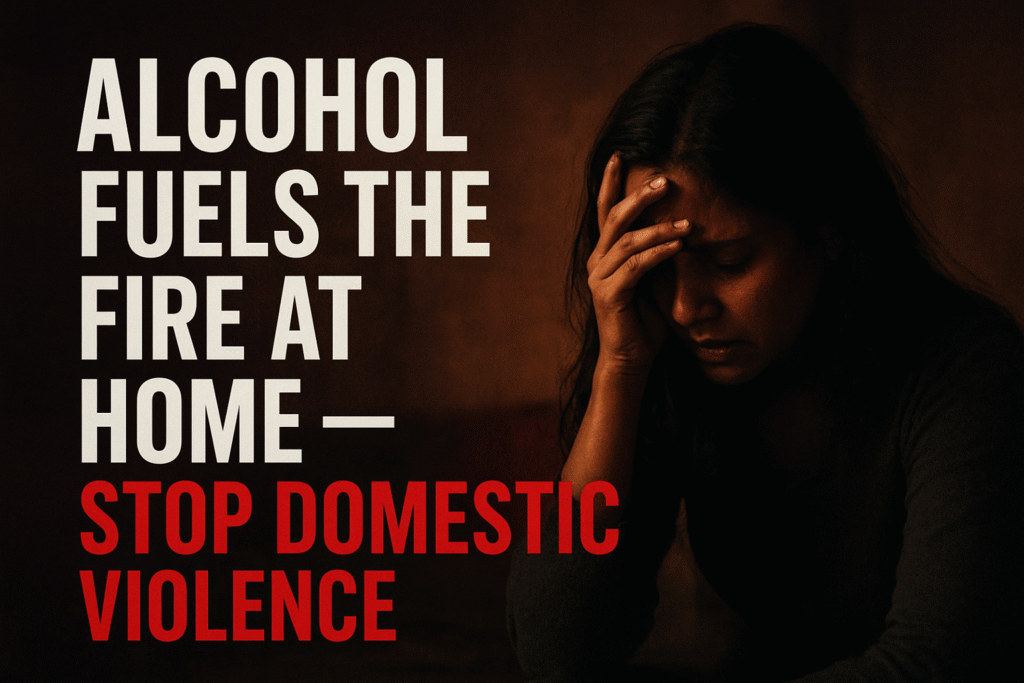
Domestic violence and alcohol are harsh realities in India, affecting millions of women, children, and sometimes men behind closed doors. While there are many reasons for domestic abuse, alcohol often makes things worse. Alcohol itself doesn’t create violence, but it can fuel anger, lower self-control, and turn small arguments into dangerous conflicts, making homes feel unsafe. It can leave lasting emotional and physical scars on everyone in the family.
The State of Domestic Violence in India
According to the National Family Health Survey (NFHS-5), almost one in three women in India has experienced some form of domestic violence in her lifetime. These abuses are not only physical—emotional, verbal, and psychological abuse are equally harmful and can leave lasting scars.
The impact of domestic violence is serious. It can cause mental trauma, physical injuries, loss of self-confidence, and in extreme cases, death. Many victims stay silent because they fear social stigma, retaliation, or financial insecurity, making it difficult to seek help.
Alcohol: The Silent Accelerator of Violence
Alcohol plays a major role in domestic violence in India, especially in households where drinking is common:
- Impaired Judgment: Alcohol reduces self-control, making people more likely to act on frustration or anger.
- Increased Aggression: Studies show that alcohol can make individuals more aggressive, leading to verbal or physical abuse.
- Escalation of Conflicts: Even minor disagreements can quickly become violent when alcohol is involved.
- Cycle of Abuse: Repeated alcohol-related violence creates a chronic pattern, making it harder for victims to leave or speak out.
For example, a husband who drinks heavily after a stressful day might start verbally abusing his spouse. Over time, these arguments can turn physical, affecting not only the spouse but also the children and the overall family environment.
A Real-Life Scenario
Imagine a typical household in India:
A man comes home after work and drinks alcohol to relax. A small disagreement with his spouse about household chores leads to shouting. Under the influence of alcohol, his frustration escalates into physical abuse. This pattern repeats over weeks or months, leaving long-term emotional and physical trauma for the entire family.
This example shows that alcohol may not start violence, but it dramatically increases the frequency and severity of domestic abuse.
Breaking the Cycle
Domestic violence is never the victim’s fault. Tackling alcohol-related abuse requires multiple approaches:
- Awareness & Education: Communities need to understand how alcohol can fuel domestic violence. Campaigns and workshops can help people recognize warning signs.
- Support Systems: Victims must have access to helplines, legal aid, and safe shelters. Key resources in India include:
- Women’s Helpline: 181
- National Commission for Women (NCW): 011-26942369
- Alcohol Intervention Programs: Counseling and rehabilitation for abusers can help reduce repeated violence.
- Legal Action: India’s Protection of Women from Domestic Violence Act, 2005 gives victims legal recourse, including protection orders and other relief measures.
Conclusion
Domestic violence is a complex issue in India, connected to cultural norms, financial dependence, and sometimes substance abuse. Alcohol acts as a catalyst, turning small disagreements into episodes of aggression and abuse.
Families, communities, and policymakers must recognize the link between alcohol and domestic violence. By creating awareness, supporting victims, and helping abusers seek rehabilitation, India can move toward safer homes for everyone.
Every person has the right to feel safe and respected in their own home. By acknowledging the role of alcohol in domestic violence, we take a step closer to breaking the silence, ending the abuse, and ensuring that homes are places of safety, care, and love.
Subscribe to my YouTube channel for videos on Women Empowerment, life experiences and workplace motivation: Suno Zindagi: Life Unmuted
Connect with me on LinkedIn: Suno Zindagi: Life Unmuted